How to Tell When an Aging Roof Needs Replacement
@homecoverguide
Knowing When It's Time for a New Roof
Every roof has a lifespan, and no amount of patching can stop the clock once it starts showing serious signs of age. For homeowners in Cedar Park, Leander, and nearby North Austin communities, the weather can speed up that aging process. Hail storms, high winds, and the Texas heat all take a toll. Recognizing the warning signs early can save you from expensive interior damage and help you plan for the work ahead. Here's a practical rundown on what to look for, step by step.
Step 1: Check the Roof Age and Its Original Material
Start with the obvious: how old is your roof? Asphalt shingles typically last 20 to 30 years, while metal or tile can go longer. If your roof is past the 20-year mark, you're in the zone where close inspection matters. Even if it looks okay from the ground, the underlayment and decking may be failing. That's where hidden leaks start. If you don't know the age, look for a building permit record or ask a local roofing contractor who has worked in the area. Knowing the age sets your expectations for the rest of the inspection.
Step 2: Look for Curling, Buckling, or Missing Shingles
Walk around the house and look at the roof surface from a safe vantage point. Binoculars work well. Check for shingles that are curling at the edges, buckling in the middle, or completely gone. Curling means the asphalt has degraded and the shingle has lost its flexibility. Buckling often signals moisture trapped underneath. Missing shingles leave the underlayment exposed to the sun and rain, which accelerates wear. If you see these problems across more than a small patch, a repair won't hold for long. Replacement becomes the better option.

Step 3: Inspect the Flashing and Valleys
Flashing is the metal or rubber material that seals roof edges around chimneys, vents, and where the roof meets a wall. Valleys are the inside corners where two roof slopes meet. Both areas take a beating from water runoff. Look for cracked, rusted, or lifted flashing. In valleys, check for shingles that are worn thin or missing entirely. If the flashing is compromised, water can get behind the shingles and rot the decking below. A full replacement usually includes new flashing and valley metal, giving you a watertight system. A simple patch job on old flashing rarely lasts a season.
Step 4: Examine the Attic and Ceilings for Leaks
Go inside. Look at the ceiling for water stains, peeling paint, or sagging drywall. Then go up into the attic with a flashlight. Check the underside of the roof decking for dark spots, mold, or rot. Pay special attention to the areas around vents and chimneys. If you see daylight through the boards, that's a direct path for water and pests. Leaks that have been patched repeatedly may hide deeper damage. If the decking is soft or crumbling in several spots, the roof structure is compromised. In that case, a tear off and replacement of both the shingles and the decking is necessary. Roof decking replacement adds cost but ensures the new roof has a solid base.
Step 5: Look for Granule Loss in Asphalt Shingles
Asphalt shingles have a surface layer of mineral granules that protect them from UV rays. Over time, those granules wear off. Check the gutters and downspouts for piles of granules after a rain. Also look at the shingles themselves: if the surface feels smooth or shows bare asphalt in patches, the shingles are losing their protective coating. That leads to cracking and rapid deterioration. A roof with widespread granule loss is past the point of repair. Replacement with new starter shingles and ridge cap will restore the protective barrier and keep your home dry.
Step 6: Assess the Ridge Cap and Ventilation
The ridge cap runs along the peak of the roof. It's exposed to the most wind and sun. Check for cracked or missing ridge cap shingles. If they're damaged, water can enter at the top and run down inside the roof assembly. Also check the ridge vents or static vents. Proper ventilation keeps the attic cool and prevents moisture buildup that can rot the decking from below. If the ridge cap is failing, it's often a sign that the whole roof system is near the end of its service life. A new roof installation will include a new ridge cap and proper ventilation, which helps the new shingles last longer.

Step 7: Get a Professional Roofing Estimate
By this point, you have a good idea of your roof's condition. The next step is to call a roofer for a thorough inspection and a written estimate. A professional can identify issues you might miss, such as underlayment failure or structural problems. They will also give you a clear picture of what a replacement involves: a tear off of the old layers, inspection and repair of the decking, installation of new underlayment, new starter shingles, new ridge cap, and proper ventilation. A local roofing contractor like Regenesis Roofing & Restoration LLC can walk you through the process and answer your questions about materials, timelines, and what to expect during the job.
Step 8: Weigh Repair vs. Replacement
Sometimes a single leak or a small patch of damaged shingles can be fixed. But if you have multiple issues across different parts of the roof, repairs add up fast. A good rule of thumb: if the repair cost exceeds about a quarter of the replacement cost, or if the roof is near the end of its expected life, replacement is the smarter investment. A new roof gives you a fresh warranty, better energy efficiency, and peace of mind. It also boosts curb appeal if you plan to sell the home. Talk to your contractor about the trade-offs for your specific roof type and local climate.
Step 9: Plan for the Timeline and Weather
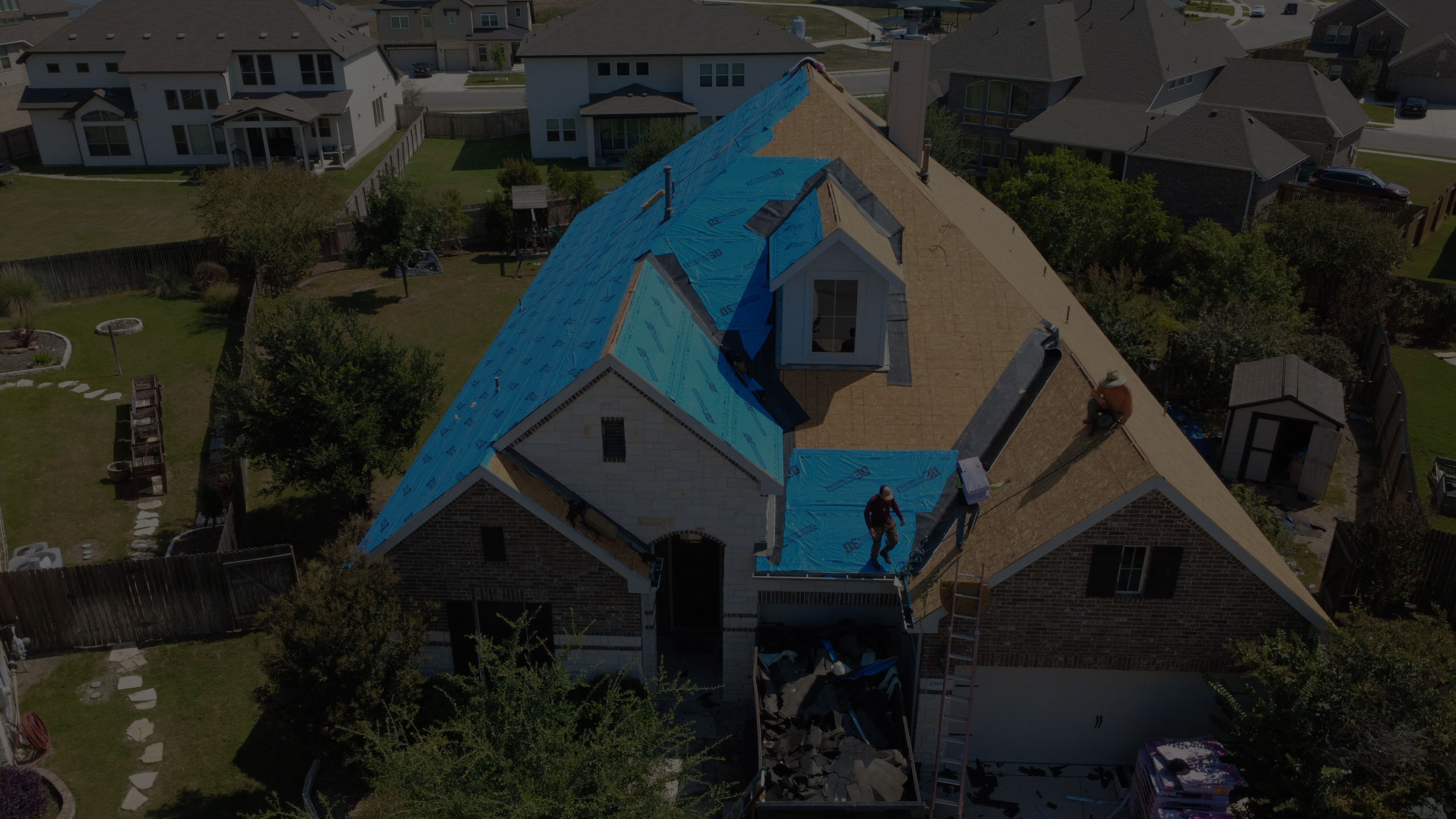
Roof replacement in Central Texas is best done in mild weather. Spring and fall offer moderate temperatures and lower chances of rain. But storms can happen anytime, so a good contractor will work around the forecast. The job usually takes a few days for a typical house. During the tear off, your home is exposed, so the crew will cover the roof with tarps at night and during rain. Ask your contractor about their process for protecting your property. Planning ahead reduces stress and helps you avoid emergency repairs after a storm.
Final Thoughts
Knowing when your roof needs replacement isn't always obvious, but a systematic check of age, shingle condition, flashing, attic signs, granule loss, and ridge cap will tell you most of what you need. If any of these warning signs are widespread, it's time to start the process. For homeowners in Cedar Park, Leander, and nearby North Austin communities, a local roofing contractor such as Regenesis Roofing & Restoration LLC, located at 2302 John Tee Dr, Cedar Park, TX 78613, USA, and reachable at +1 512-674-5979, provides roof inspections, repairs, replacements, hail damage restoration, and storm-related roofing services. Taking action early can protect your home and your budget.
Regenesis Roofing & Restoration LLC is also on Facebook.